

Cream cheese pound cake is a recipe you keep for real life, not just special days. You want something rich, soft, and moist, but not fussy. This best cake really does that. It uses simple ingredients, clear steps, and a no-stress bake guide so you’re not guessing the whole time.
In this post, I’ll walk you through how cream cheese changes the texture, how to mix the batter so it’s smooth and not heavy, and what to watch for so the cake bakes evenly. You’ll see when the loaf is actually done, how long to cool it, and how to slice it without it crumbling.
By the end, you’ll have an easy cream cheese pound cake recipe you can trust for holidays and potlucks, but also for a quiet evening at home. Same base recipe, and you can dress it up or keep it plain.
Story Behind Cream Cheese Pound Cake
From Traditional Pound Cake to Cream Cheese Pound Cake Upgrade
Traditional pound cake started very simple: one pound of butter, sugar, eggs, and flour. Equal parts, easy to remember, and it baked up dense and rich. Over time, bakers wanted that same flavor but with a softer crumb and more moisture. Adding cream cheese to pound cake solved that. Cream cheese blends into the batter, keeps the cake tender, and adds a light tang.
How Cream Cheese Changed the Classic Pound Cake
When cream cheese was first mixed into the traditional pound cake formula, it wasn’t about being fancy. It was just a smart way to fix a dry or overly heavy loaf. Cream cheese blends with the butter and sugar. It does help trap more air in the batter, so it rises a bit better. The cake helps the cake not to feel so stiff. It also gives you a tighter, finer crumb, which means neater slices and less crumbling. Your notes and minor tweaks can help the next person who tries this cream cheese pound cake.
Why Cream Cheese Pound Cake Became a Potluck and Family Staple
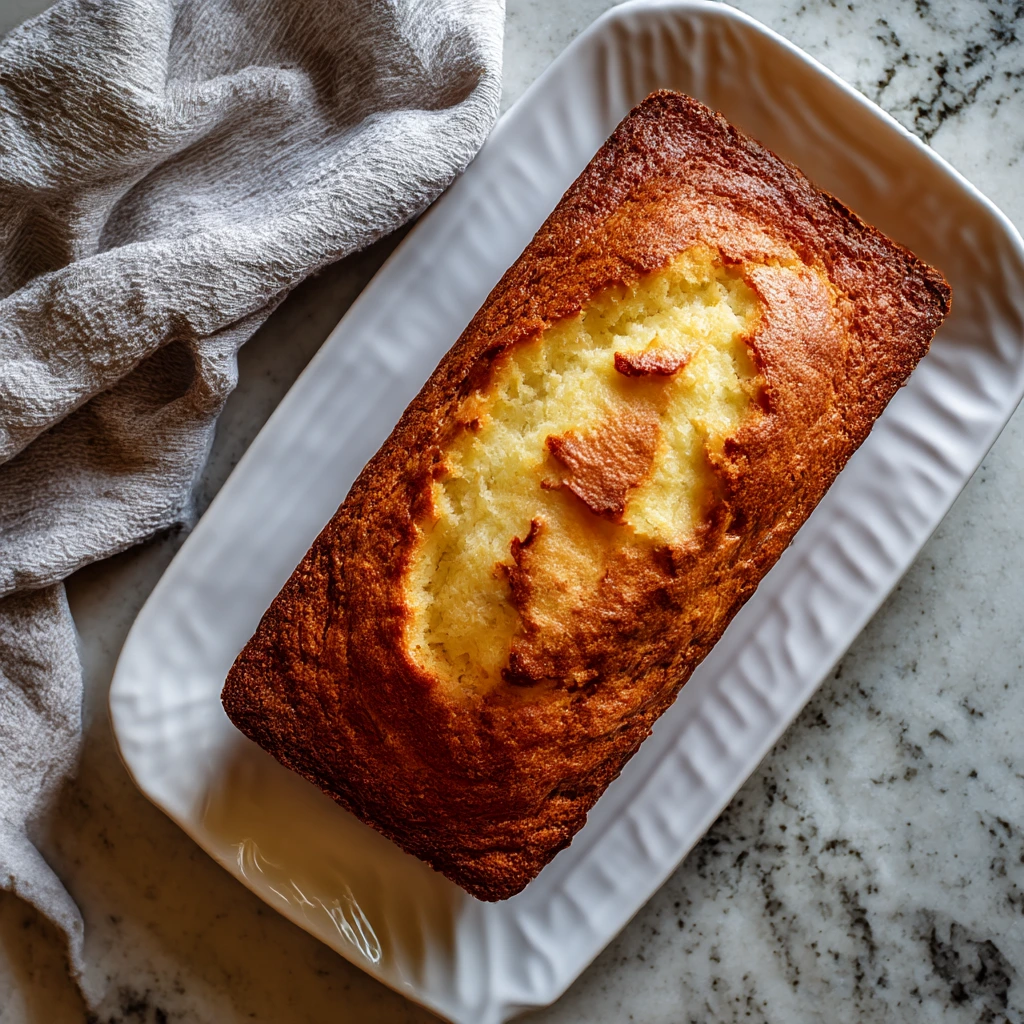
Cream cheese pound cake stays moist, packs easily, and tastes great plain. It quickly became a home and potluck favorite. You can bake it the day before, wrap it, and it still tastes fresh when you serve it. It works with glaze, berries, powdered sugar, or just on its own next to coffee. The mix of simple ingredients, cozy flavor, and steady texture is why the cake is enjoyed by everyone. It keeps showing up at holidays and family gatherings. It feels simple but is still special enough to share.
Cream Cheese Pound Cake Feels So Comforting
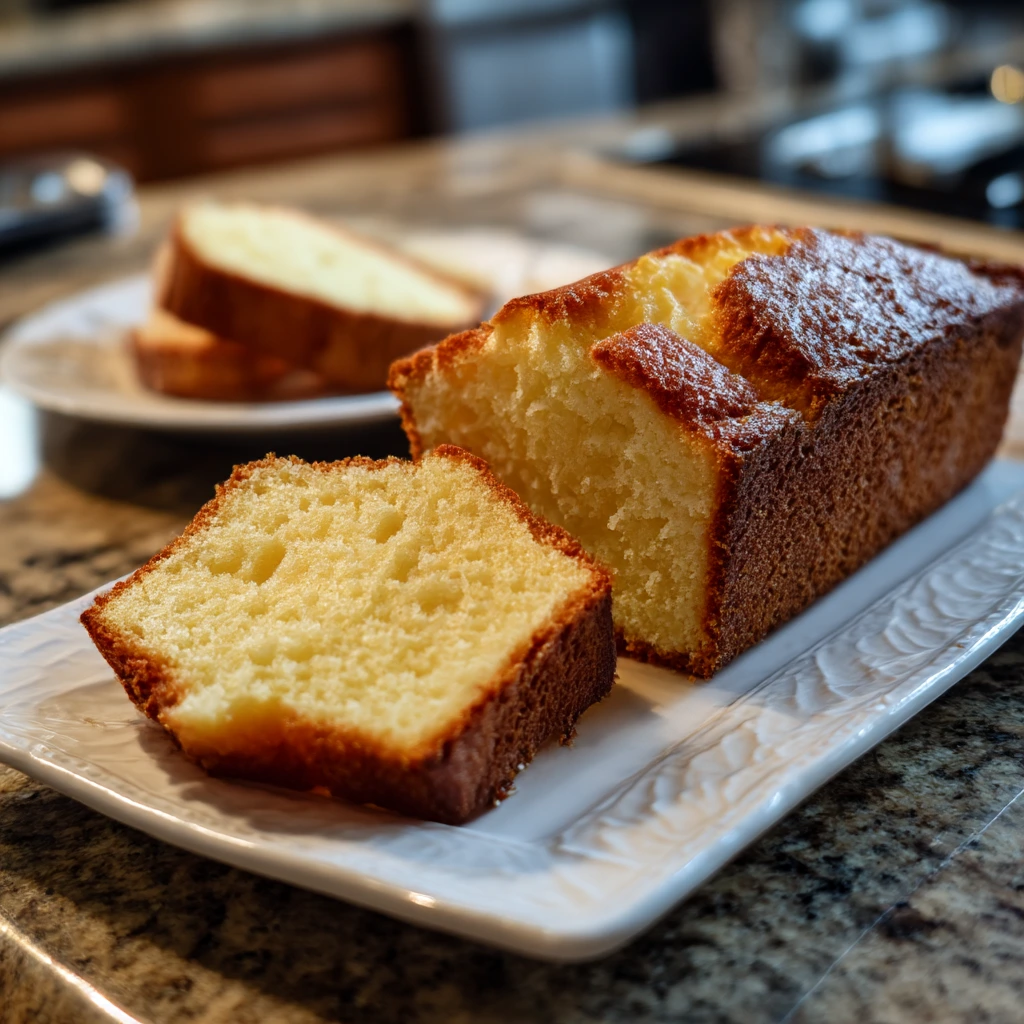
Cream cheese pound cake feels comforting because of how it tastes and how it fits into real life. The crumb is dense but still moist. Each slice feels like a real piece of cake, not something that disappears in two bites. You taste butter first. Then a light tang from the cream cheese. The sweetness stays in the middle, not too strong. Cream cheese pound cake gets nice flavor when it is made in a warm or room temperature. It is simple, but it feels like it has been in the family for a while.
When You Serve Cream Cheese Pound Cake In Real Life
You usually see cream cheese pound cake around real moments, not just fancy parties. People bring it to holidays, family gatherings, and church events. Also school bake tables, or when someone needs a small treat dropped at their door. It works on a brunch table next to eggs and fruit. It also works as a late night slice with coffee or tea. This cream cheese pound cake stays moist and slices clean. You can pack it for a road trip, wrap it for a neighbor, or send it home with guests. It feels like a safe choice when you want to share something homemade.
Nostalgia And The Emotional Side Of Cream Cheese Pound Cake
A lot of people connect cream cheese pound cake with someone they love. Maybe it is Grandma’s recipe card. A relative who always baked the same loaf pan cake for every visit. A neighbor who never showed up empty-handed. The smell of a cream cheese pound cake in the oven can attract you to the kitchen. This kind of cake feels familiar and safe, so guests relax and usually go back for another slice. It feels like an easy, safe homemade cake to share.
Ingredients
Key Ingredients for the Best Cream Cheese Pound Cake
For the best cream cheese pound cake, you really only need a short list of basic ingredients. Each one has a job to do. Butter and cream cheese work together to make the crumb soft and rich. Sugar helps the cake brown and taste sweet, not flat. Eggs give structure, so the slices hold together and don’t feel heavy. Flour ties everything into a smooth batter, and a little vanilla. Salt round out the flavor so it tastes like more than just sugar and fat. When you mix these ingredients properly, you get a cream cheese pound cake that’s balanced, not dense or dry.
If you want to compare styles, “King Arthur’s velvet pound cake with cream cheese” and “this cream cheese pound cake from Sally’s Baking Addiction” show how bakers lean on cream cheese for a softer crumb.
The importance Each Ingredient in Cream Cheese Pound Cake
Butter brings that classic pound cake flavor and a lot of moisture. Cream cheese adds extra fat and a light tang that keeps the crumb tender. Sugar sweetens the batter and helps the crust brown in the oven. This helps to get that nice golden edge. Eggs hold everything together and give the cake its structure. It doesn’t sink or fall apart when you slice it. Flour provides the batter with body and lets the cake set as it bakes. Vanilla adds warmth in the background. Salt sharpens all the flavors so the best cream cheese pound cake tastes full and not dull.
Why Room-Temperature Ingredients Matter for the Best Cream Cheese Pound Cake
Room-temperature ingredients matter for the best cream cheese pound cake. Soft butter and cream cheese mix better with sugar. They turn smooth instead of lumpy. When your eggs are also at room temperature, they blend in easily. They do not shock the fat or make it curdle. You get a smooth, even batter. The cake rises better and bakes more evenly. If you start with cold butter, cold cream cheese, and cold eggs, the batter stays rough and chunky. The loaf often bakes up heavy. Let everything sit out until it feels cool but not hard. Your cream cheese pound cake will reward you with a softer, nicer crumb.
Optional Add-Ins and Simple Swaps for Cream Cheese Pound Cake
You can change the flavor and still use one base cream cheese pound cake batter. Just switch the pan. Use a bundt pan when you want a taller cake with ridges and a center hole for glaze. Use one large loaf pan, or two smaller loaf pans, when you want easy slices for coffee or snacks. For gifting, divide the batter into mini loaf tins so everyone gets their own small cream cheese pound cake. You can also scoop the batter into a lined muffin pan and bake little cream cheese pound cake “cupcakes.”
Smaller pans bake faster, so start checking for doneness earlier.
Flavor Twists and Pan Options for Cream Cheese Pound Cake
If you’re changing up the flavor, you can still keep one base cream cheese pound cake batter and just move it into different pans. Use a bundt pan when you want a taller cake with nice ridges and a big center hole for glaze. Go with one large loaf pan, or two smaller loaf pans, when you just want simple slices for coffee or snacks. For gifting, divide the batter into mini loaf tins so everyone gets their own little cream cheese pound cake. You can also scoop the batter into a lined muffin pan and bake it as individual cream cheese pound cake “cupcakes.” The smaller the pan, the quicker the batter bakes, so you need to start checking for doneness earlier
Use Full-Fat Cream Cheese for the Best Cream Cheese Pound Cake
For the best cream cheese pound cake texture, stick with full-fat block cream cheese. Low-fat or whipped cream cheese has more water and extra ingredients that can throw off the batter. That usually means a weaker structure and a gummy or dry crumb, which is the opposite of what you want in a cream cheese pound cake. Use regular cream cheese with full-fat that comes in a block, let it soften to room temperature, and beat it well with the butter. This gives you a stable, smooth base and helps the cream cheese pound cake rise evenly and stay tender after it cools.
How To, Step by Step
Simple No-Stress Batter Method for Cream Cheese Pound Cake
The simple no-stress batter method keeps this cream cheese pound cake from feeling fussy, even if you do not bake a lot. You follow the same order every time, and the batter stays smooth. First, you prep your pan so you are not scrambling later. Then you cream the butter, cream cheese, also sugar until it looks fluffy. After that, beat in each egg one at a time, mix in the dry ingredients gently, and finish with your flavorings like vanilla or lemon zest. When you treat the batter this way, the cake bakes up with an even crumb and a nice lift instead of a dense block.
Step-by-Step Simple No-Stress Cream Cheese Pound Cake Batter
Start by getting your pan ready. Grease it well and add flour or line it with parchment so the cream cheese pound cake comes out in one piece. Set the pan aside and move to the mixer. Add the room-temperature butter, cream cheese, and sugar to the bowl and beat them for a few minutes, starting on low and moving up, until it feels airy and smooth when you scrape the sides. This step is where you build air into the cream cheese pound cake batter, so do not rush it. Scrape the bowl as you go so everything blends evenly. When the mixture looks light, you are ready for the eggs.
If you like digging into the science behind this step, “this classic pound cake guide from Serious Eats” explains why proper creaming helps the cake rise and stay tender.
How To Add Eggs, Dry Ingredients, And Flavorings Without Stress
Add the eggs to the cream cheese pound cake batter one at a time. Beat well after each egg, so it entirely disappears before you crack in the next one. When all the eggs are in and the batter looks smooth again, switch to low speed. Add the dry ingredients in two or three small additions and mix just until you no longer see streaks of flour. You want to keep the batter thick but still soft, not overmixed. Now stir in your flavorings, like vanilla extract, almond extract, or citrus zest, using a spatula. Give the cream cheese pound cake batter one last gentle fold from the bottom of the bowl, then move it into the prepared pan and smooth the top. This simple, no-stress batter method keeps the crumb tender and helps the cake bake evenly.
Baking, Cooling, and Getting a Perfect Slice of Cream Cheese Pound Cake
Good baking and cooling are what turn a simple cream cheese pound cake batter into clean slices that look and taste right. You want steady heat, the right rack position, and a straightforward way to tell when the cake is actually done, not raw in the middle. Then you give it time to settle in the pan before you move it so that the crumb can firm up. When you follow a calm, step-by-step bake and cool routine, it comes out with a golden crust, a soft center, and slices that do not fall apart the second you touch them.
Oven Setup and Doneness Cues for Cream Cheese Pound Cake
Bake your cream cheese pound cake on the middle oven rack so the heat reaches it from all sides. Most ovens do well around 325–350°F for this kind of dense cake. Too hot and the outside gets dark while the center stays wet. Watch the top and edges near the end of the bake. The cake should look lightly golden with a small crack or dome in the center. When you touch the top gently, it should spring back instead of leaving a deep mark. You can also slide a toothpick or thin skewer into the middle. If it comes out with a few moist crumbs but not wet batter, your cream cheese pound cake is ready to come out.
Cooling, Releasing, and Slicing Cream Cheese Pound Cake Cleanly
Once the cream cheese pound cake is baked, let it sit in the pan on a rack for a bit so it can relax and firm up. Ten to fifteen minutes is usually enough for a loaf or mini loaves. For a bundt pan, you may want a few extra minutes. Run a thin knife around the edges and the center tube if you used one, then put the pan onto a cooling rack and lift it off slowly. If it feels stuck, tap the pan gently on the counter and try again instead of yanking. Let the cream cheese pound cake cool all the way before you cut it. Use a long serrated knife and a light sawing motion, not straight down pressure. Wipe the blade now and then. This keeps the slices neat and helps you avoid crumbling or tearing chunks out of the loaf.
Tips, Variations, Serving
Pro Tips for a Moist, Crack-Free Cream Cheese Pound Cake
For moist, crack-free cream cheese pound cake, a lot of it comes down to small habits, not fancy tricks. How you measure flour, how long you mix, and whether your ingredients are cold or room temperature all change the crumb. Then there’s the bake itself. You need to watch the top so it does not burn before the center cooks, and you need to store the cake in a way that keeps that moisture inside. When you follow a few simple pro tips, your cream cheese pound cake stays soft, holds its shape, and still tastes good the next day.
For more detail on how to soften cream cheese safely, “this Serious Eats article on softening cream cheese” walks through tested methods.
Mixing Basics for a Moist, Crack-Free Pound Cake
Start with the flour. Fluff it in the container, spoon it into the measuring cup, and level it off. Packed flour makes cream cheese pound cake dry and tight. After you add the flour, switch to low and mix just until you don’t see dry spots. Overmixing makes the crumb tough. Room-temperature butter, cream cheese, and eggs help everything blend evenly and let the cake rise without splitting wide on top.
If the top of your cream cheese pound cake is browning too fast while the center is still soft, lay a loose sheet of foil over the pan. Don’t press it down. The foil slows the browning on the surface while the inside keeps baking, so you end up with a moist pound cake instead of a burnt crust and raw middle.
Storing and Make-Ahead Tips for Cream Cheese Pound Cake
Where you store the cake affects how moist your cream cheese pound cake stays. Once it’s completely cool, wrap it well or put it in a container with a tight lid. At normal room temperature, it stays fresh for a couple of days. If your kitchen is hot, keep it in the fridge, still wrapped. For longer storage, freeze the whole loaf or slices, wrapped and then sealed in a freezer bag.
For parties and holidays, is easy to make it ahead of time. Bake it a day or two before and keep it wrapped on the counter, or bake weeks ahead and freeze it. Let it thaw and come back to room temperature in the wrapping so the crumb stays soft. Then slice and serve when you’re ready. If you’d like to read more on leftover safety in general, “this USDA leftovers and food safety page” is a good reference.
Easy Variations and Serving Ideas for Cream Cheese Pound Cake
When basic cream cheese pound cake comes out well, you can change the way it looks and tastes without starting a new recipe. A simple glaze, a few mix-ins, or different toppings can shift it from a plain loaf to something that feels more like a special dessert. The cake is rich and sturdy, so it handles small changes and still slices clean.
Glazes, Mix-Ins, and Toppings for Cream Cheese Pound Cake
You can finish cream cheese pound cake with a quick vanilla glaze, a bright lemon glaze, or a smooth cream cheese drizzle, all made with powdered sugar and a little liquid. For flavor inside the cake, fold in a handful of chocolate chips, dry firm berries tossed in a bit of flour, or a light swirl of thick jam so the crumb does not get soggy. When it is time to serve, you can keep slices plain or add whipped cream, fresh berries, powdered sugar, or a scoop of ice cream to turn the cream cheese pound cake into a fuller dessert.
Leftover Cream Cheese Pound Cake: Trifles, Parfaits, and Toasted Slices
Leftover cream cheese pound cake works well in other simple desserts. Cut it into cubes and layer with fruit and pudding or yogurt to make quick trifles or parfaits in small glasses. You can warm leftover slices in a dry pan or in the toaster oven until the outside feels slightly crisp and the middle is soft and warm. Add a bit of butter, some jam, a drizzle of honey, or a spoon of yogurt and fruit on top. You still use up the last pieces of cake, but they taste more like a new snack than a repeat.
Now you have everything you need to bake your own best cream cheese pound cake at home. You know what each ingredient does, how to mix the batter without overthinking it, and how to bake and cool the cake so the crumb stays soft, not dry. You can keep it plain, add a glaze, or turn leftovers into breakfast or dessert. One base recipe, lots of ways to serve it.
I’d really like to hear how this cream cheese pound cake turns out for you. Try the recipe, make it once as written, then switch up a flavor or pan. Come back and share in the comments how it baked, who you served it to, and what you might change next time.
Best Cream Cheese Pound Cake with Easy No-Stress Bake Guide
Equipment
- 1 9 x 5 inch loaf pan (or 8½ x 4½, see notes)
- 1 Mixing bowls
- 1 Hand mixer or stand mixer
- 1 Rubber spatula
- 1 cooling rack
- 1 – Parchment paper (optional, but helpful)
Ingredients
For the cream cheese pound cake
- 1 cup (225 g) unsalted butter, room temperature
- 8 oz (225 g) full-fat block cream cheese, room temperature
- 2 ½ cups (500 g) granulated sugar
- 5 large eggs room temperature
- 2 ¾ cups (345 g) all-purpose flour, fluffed and leveled
- ½ tsp fine salt
- 2 tsp vanilla extract
Optional flavor twists (use 1–2, if you like)
- 1-2 tsp lemon zest or orange zest
- ½ tsp almond extract (replace part of the vanilla)
- 2 tsp sour cream for extra tang and moisture
Optional simple vanilla glaze
- 1 cup (120 g) powdered sugar
- 1-2 tbsp milk or cream
- ½ tsp vanilla extract
Instructions
- Prep the pan and oven. Grease a 9 x 5 inch loaf pan well. Line the bottom and long sides with a strip of parchment, leaving overhang as handles, then lightly grease the paper. Heat the oven to 325°F (160°C) and place a rack in the center.
- Combine dry ingredients. In a small bowl, whisk together the flour and salt. Set aside.
- Cream butter, cream cheese, and sugarIn a large mixing bowl, add the room-temperature butter and cream cheese. Beat with a mixer on medium until smooth and well combined. Add the sugar and beat several minutes, scraping the bowl as needed, until the mixture looks lighter and feels airy.
- Add eggs one at a time. Add the eggs one at a time, mixing well after each egg until it disappears into the batter before adding the next. Scrape down the bowl so everything stays smooth.
- Add flavorings. Mix in the vanilla extract. If using almond extract, citrus zest, or sour cream, add them now and mix just until combined.
- Add dry ingredients gently. Switch the mixer to low. Add the flour mixture in 2–3 additions, mixing only until you no longer see dry flour. Finish by folding with a spatula from the bottom of the bowl to make sure the cream cheese pound cake batter is evenly mixed without overworking it.
- Fill the pan. Scrape the batter into the prepared loaf pan. Smooth the top and gently tap the pan once or twice on the counter to settle the batter.
- Bake the cream cheese pound cake. Bake on the center rack at 325°F (160°C) for about 65–80 minutes, depending on your oven and pan. The top should be deep golden and slightly cracked. A toothpick or thin skewer inserted in the center should come out with a few moist crumbs, not wet batter. If the top is browning too fast, lay a piece of foil loosely over the pan for the last 15–20 minutes.
- Cool and remove from pan. Place the pan on a cooling rack and let the cream cheese pound cake sit for 10–15 minutes. Run a thin knife around the edges, then use the parchment overhang to lift or gently flip the cake out onto the rack. Turn it upright and let it cool completely before slicing.
- Make the optional glaze. For a simple vanilla glaze, whisk powdered sugar, milk or cream, and vanilla in a small bowl until smooth and just thin enough to drizzle. Adjust with a few drops more liquid if needed.
- Glaze and serve. Once the cream cheese pound cake is fully cool, drizzle the glaze over the top and let it set a few minutes. Slice with a serrated knife, using a gentle sawing motion. Serve plain, or with berries, whipped cream, or ice cream.
Notes
– Room-temperature ingredients: Butter, cream cheese, and eggs should feel cool but not cold or hard. This helps the batter mix smoothly and keeps the crumb soft.
– Storage: Once cool, wrap the cream cheese pound cake well or store in an airtight container. Keep at room temperature for 2–3 days. For longer storage, refrigerate up to 5 days or freeze slices for up to 2–3 months.
– Serving ideas: Great with coffee for breakfast, as a simple dessert with berries and whipped cream, or toasted lightly in a pan for a warm snack.