
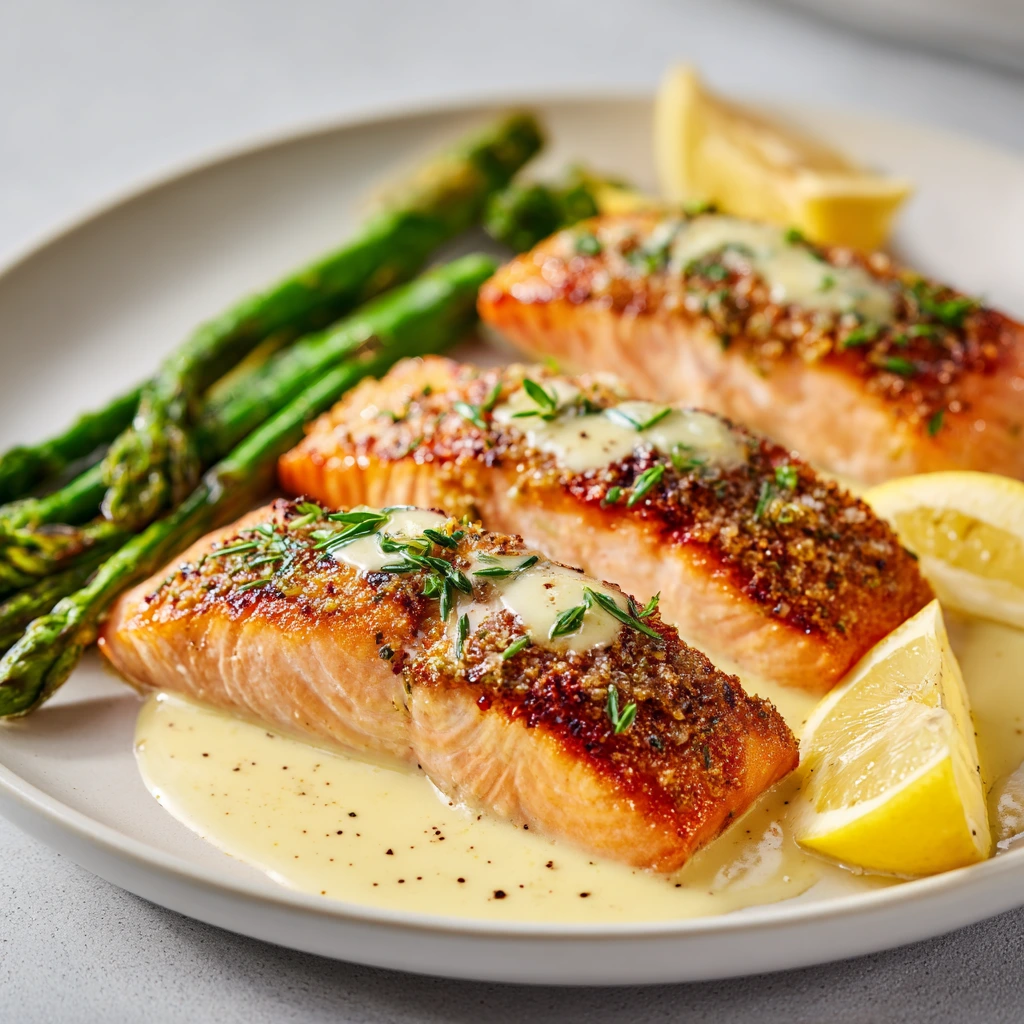
Getting salmon skin truly crisp at home does not need special tools or restaurant secrets. It comes down to a few small steps you might skip. you’ll see what to do in a simple order to get the best crispy skin salmon every time at home. No guesswork, just clear actions you repeat each time you cook.
You’ll learn how to choose salmon that works for crispy skin. The fillet should feel dry before it hits the pan. You’ll get a feel for how hot the pan needs to be and how long to leave the fish alone. On their own the steps are basic, but together they turn regular salmon into crispy skin salmon.
By the end, you’ll know how to cook salmon with crispy skin on busy weeknights. Using the same method when you cook for guests.
Where It Started And Why Everyone Wants It
From Simple Pan-Fried Fish To Crispy Skin Salmon Favorite
Crispy skin salmon really started as plain pan-fried fish. People just wanted a fast way to cook fish in a hot pan with a little oil, nothing fancy. But when the heat was high and the skin sat flat in the pan, it changed. The skin turned thin and crisp, and the salmon underneath stayed moist. That contrast felt good to eat, and it stood out from softer baked fish. Little by little, cooks paid more attention to the skin and to how they handled the pan. They dried the fillet better, they used steady heat, and they stopped moving the fish around. At that point, it was no longer just pan-fried fish. It became its own thing, with a clear goal every time you put a fillet in the pan.
How Crispy Skin Salmon Became A Restaurant Favorite
Restaurants saw that crispy skin salmon checked a lot of boxes. It cooked fast, looked neat on the plate, and felt a bit more special than a basic fillet. When the plate came out, you could see the browned skin on top and the soft salmon below, and it made people want that first bite right away. Chefs started building plates around crispy skin salmon, adding bright sauces, mashed potatoes, grains, or simple greens. The method stayed the same, but the flavors changed from place to place. As more guests ordered it and talked about that crisp bite, crispy skin salmon slowly turned into one of those dishes you expect to find on modern menus.
How Home Cooks Made Crispy Skin Salmon Their Own
Once people got used to ordering crispy skin salmon when they went out, they wanted the same result in their own kitchen. At first, it felt risky because no one wants the skin glued to the pan or a dry center. Over time, though, home cooks picked up clear steps from videos, recipes, and trial and error. Pat the skin dry. Salt it well. Heat the pan until it really feels hot, then place the salmon skin-side down and leave it alone for a bit. With that, crispy skin salmon became something you can make on a random weeknight, not just a restaurant treat. Now a lot of people have their own small twist on it, but the goal is the same: keep that skin crisp and the salmon tender so every bite feels balanced.
What Makes Crispy Skin Salmon So Good
Crispy skin salmon feels good to eat because you get two textures at once. Your teeth hit the thin, crunchy skin first, then slide into the soft salmon underneath. That contrast keeps each bite interesting. While it cooks, the natural oils in the salmon skin warm up and spread through the fillet, so the fish tastes fuller and more savory even if you only use salt and a squeeze of lemon. You still get what salmon is known for too, like omega 3 fats and solid protein that actually keeps you full. So you end up with a plate that feels satisfying, not heavy, and you still get that sharp, crisp bite on top.
Texture And Flavor In Every Bite Of Crispy Skin Salmon
When crispy skin salmon turns out right, you can feel the skin crack under your fork. It breaks into small, crunchy pieces while the inside of the fillet stays soft and moist. The hot pan dries the surface and browns the skin, and the layer of fat just under the skin helps protect the fish from drying out. A simple mix of salt and heat can be enough, because the salmon itself brings most of the flavor. The crispy skin adds that last bit of texture that makes the whole dish more fun to eat.
Why Crispy Skin Salmon Fits Busy Nights And Special Meals
Crispy skin salmon also fits the way most people cook now. It goes from pan to plate in a short time, so it works on a rushed weeknight when you still want real food, not snacks. You get protein, healthy fats, and a main dish that does not need a lot of extra sides to feel complete. The same crispy skin salmon can also work for a date night or small dinner party. You keep the cooking method the same, then change the side dishes and sauces to match the moment.
Ingredients
Choosing the Best Salmon for Crispy Skin
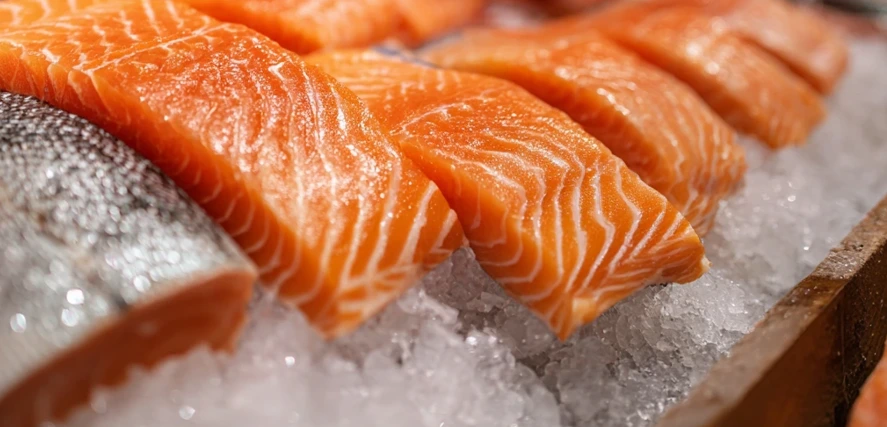
If you want real crispy skin salmon, the choice starts before you turn on the stove. You need skin-on salmon, a decent thickness, and fish that still looks and smells fresh. Skinless fillets simply cannot give you crispy skin, so skip them for this recipe. When you look at salmon for crispy skin, check that the skin looks whole, not torn, and that the flesh feels firm when you press it. A medium-thick fillet cooks more evenly, so the skin can crisp while the center stays moist. Wild salmon often has a stronger flavor and a bit less fat. Farmed salmon is usually a little richer and can be easier to cook for beginners. Both work for crispy skin salmon as long as the fish is fresh and the skin is in good shape.
Skin-On Salmon, Wild Or Farmed, And The Right Thickness
For crispy skin salmon, always pick skin-on fillets. The skin needs to be mostly smooth, with no long tears or missing patches, because broken skin will curl and cook unevenly. Aim for fillets that are about the same thickness from end to end, so you do not end up with one side dry and the other side raw. Wild salmon gives you a deeper flavor, while farmed salmon usually has more fat that helps the skin brown and crack. You can choose the one you like, but keep thinking about that balance of thickness, fat, and a clean layer of skin.
What To Ask For At The Fish Counter For Crispy Skin Salmon
At the fish counter, you can say you are making crispy skin salmon and ask for skin-on center-cut pieces. Center-cut fillets are more even, which helps the skin stay flat in the pan. Ask them to remove any remaining scales so you do not have to scrape them at home. You can also ask for fillets that are close in size if you plan to cook more than one, so they finish at about the same time. A quick question or two at the counter makes crispy skin salmon much easier once you start cooking.
Pantry Staples For Golden, Crunchy Crispy Skin Salmon
To get real golden, crunchy crispy skin salmon, the basics in your pantry matter more than fancy extras. You want an oil that can handle high heat, enough salt to pull moisture from the skin, and a few simple ingredients that add flavor without hiding the taste of the fish. With the right oil, a bit of butter at the end, and clean seasonings, you can turn a plain fillet into crispy skin salmon that feels like a restaurant plate but still fits into a normal weeknight.
Best Oils And Fats For Crispy Skin Salmon
For crispy skin salmon, start with a neutral, high smoke point oil such as avocado, canola, or grapeseed oil. These stay stable in a hot pan, so the skin can brown instead of burning. Add just enough to coat the skillet lightly. Once the skin is crisp and the salmon is almost cooked, you can drop in a small piece of butter and let it melt around the fillet. This gives you a richer taste and a bit of shine without changing how crisp the skin feels.
Easy Seasonings And Flavor Boosters For Crispy Skin Salmon
Season the skin and flesh with salt first, because salt helps dry the surface and build flavor from the start. A little black pepper, minced or powdered garlic, and a squeeze of lemon juice or lemon wedges on the side work well with crispy skin salmon. Fresh herbs like dill, parsley, or chives can go on after cooking, so they stay bright. If you want more punch, use a light spice rub with paprika or chili, add citrus zest, or finish with a simple sauce such as lemon butter, yogurt sauce, or a spoon of pesto. All of these sit nicely under or next to the crispy skin without making it soggy.
How To Make Crispy Skin Salmon, Step by Step
Prep: Patting Dry, Seasoning, and Heating the Pan for Crispy Skin Salmon.
For crispy skin salmon, the real work starts before you even touch the stove. This is where you set up the skin to turn crisp instead of soft and chewy. You dry the surface, add simple seasoning, and bring the pan up to the right heat. Each step is small, but together they decide how the skin turns out. If you rush this part, the skin fights you. If you slow down for a minute and prep the salmon properly, the rest of the cooking feels a lot easier and you get that firm, crunchy skin you actually want to bite into.
Drying And Seasoning The Salmon For Crispy Skin
Lay the salmon on a board or plate with the skin facing up. Press paper towels over the skin until it looks dull instead of shiny and no longer feels damp. Flip the fillet and lightly dry the flesh too. Sprinkle salt over the skin in a thin, even layer, then season the flesh side with salt and a bit of pepper or any simple spice blend you like. Keep the layer of seasoning light so it does not burn in the pan. Let the salmon sit like this while you heat your skillet, so the salt can start working on the surface.
Heating The Skillet For Crispy Skin Salmon
Put a cast iron or nonstick skillet on the burner over medium to medium high heat. Give it a couple of minutes to warm up before you add anything. Pour in a small amount of high heat oil and tilt the pan so the bottom is coated in a thin film. When the oil moves easily and looks a bit loose, the pan is getting close. If you tap the surface with the corner of the salmon, you should hear a clear sizzle. That sound tells you the skillet is ready for crispy skin salmon and the fish can go in, skin side down.
Searing, Flipping, and Finishing Crispy Skin Salmon
This is the part where crispy skin salmon actually happens in the pan. The fish goes in skin-side down first, you press it a bit so the skin sits flat, and you let the heat do its job without moving it around. Most of the cooking time is on this first side, because this is when the skin turns crisp and the salmon cooks from the bottom up. Then you flip, finish the top, and give the fillet a short rest so the juices settle and the skin stays crunchy until it reaches the table.
How To Sear Crispy Skin Salmon Skin-Side Down
Hold the salmon over the hot pan and lay it down skin-side first, starting with the edge closest to you and lowering it away from you so the oil does not splash. As soon as the fillet is in, use a flat spatula to press gently along the length of the fish for the first twenty to thirty seconds. This helps the skin make even contact with the pan so it does not curl. You want to hear a steady, active sizzle from the crispy skin salmon, not loud popping and not silence. Leave the fillet alone and watch the sides. The color will slowly turn from deep and translucent at the bottom to lighter and more opaque as it cooks. When that change reaches a bit over halfway up the side, you can slide the spatula under the fish and flip it carefully onto the flesh side.
Finishing, Doneness Checks, and Resting Crispy Skin Salmon
Once you flip the crispy skin salmon, it usually needs only a short time on the second side, often one to three minutes depending on thickness. Look for the center to have a faint, shiny line still, but not look raw. If you use a thermometer, aim for around one hundred twenty to one hundred thirty degrees in the thickest part for a medium finish. When it reaches that point, move the crispy skin salmon out of the pan and onto a warm plate or a small rack, skin facing up, so the steam does not soften it. Let it rest for a few minutes before serving. Add sauces or lemon around the fish or under it, not directly on top of the skin, so that the crunchy layer you worked for stays crisp until the first bite.
Tips, Variations, Serving
Pro Tips, Troubleshooting, and Easy Flavor Twists for Crispy Skin Salmon
Crispy skin salmon looks simple, but small things can still throw it off. The skin grabs the pan, tears when you flip, or the middle turns dry while the skin stays soft. When that happens, you don’t need to give up on crispy skin salmon. You adjust heat, timing, and moisture a little, and the next pan you cook will already feel easier and more under control.
How To Stop Sticking And Save Crispy Skin Salmon
To keep crispy skin salmon from sticking, focus on the fish and the pan. The skin must be very dry. If it still looks shiny or wet, blot it again. Then make sure the pan is properly hot before the fillet goes in. Add a thin layer of high-heat oil, wait until it moves easily when you tilt the pan, then lay the salmon down skin side first. Once it hits the pan, don’t drag it around. Let the skin cook for a few minutes so a crust can form. If it fights you when you slide a spatula under, give it a little more time and try again from a different angle. When the flesh looks almost done but the skin feels soft, lift one side and let some hot oil run under it to help it finally crisp.
Easy Flavor Twists For Crispy Skin Salmon
After you feel good about the basic method, you can layer flavors on crispy skin salmon without touching the skin. To make garlic butter crispy skin salmon, cook as usual, then melt butter with minced garlic at the end and spoon it around the fish or under it on the plate. For lemon-herb crispy-skin salmon, season the flesh with salt, pepper, and fresh herbs, then squeeze lemon over the cooked fillet and add more herbs on the flesh side. For spicy chili-lime crispy skin salmon, rub a light mix of chili powder and salt onto the flesh before cooking, then finish with lime juice. In every version, keep sauces and extras away from the crisp skin so it stays crunchy when you serve it.
How to Serve Crispy Skin Salmon for Any Occasion
Crispy skin salmon fits into a lot of meals without much effort. You use the same pan-seared, crispy-skin salmon, then decide whether tonight is a quick weeknight dinner or more of a slow, sit-down thing. The fish is the main part of the plate. Everything else has to support it without soaking the skin. So you pick simple vegetables, a grain, maybe a salad, and a sauce that lives under or beside the salmon, not on top of the crispy skin. “For a fun twist, you can also try this viral salmon rice bowl idea] that uses leftover salmon and rice.”
Easy Pairings And Plates For Crispy Skin Salmon
Start with a base you like. Rice, quinoa, couscous, roasted potatoes, or mashed potatoes all work well with crispy skin salmon. Add one or two vegetables. Roasted asparagus, green beans, broccoli, or a simple mixed salad are all good choices because they do not drown the fish in liquid. For sauce, consider yogurt with lemon and garlic, a light dill sauce, or a small pan sauce made from the browned bits in the skillet. Put the sauce on the plate first or spoon it around the fish. Then set the crispy-skinned salmon on top, skin-side up, to keep it dry. Leave a little space around the fillet so steam does not build up and soften the crust. A wedge of lemon or fresh herbs on the flesh side finishes the plate without hiding the skin.
Using Leftover Crispy Skin Salmon In Bowls, Salads, And Tacos
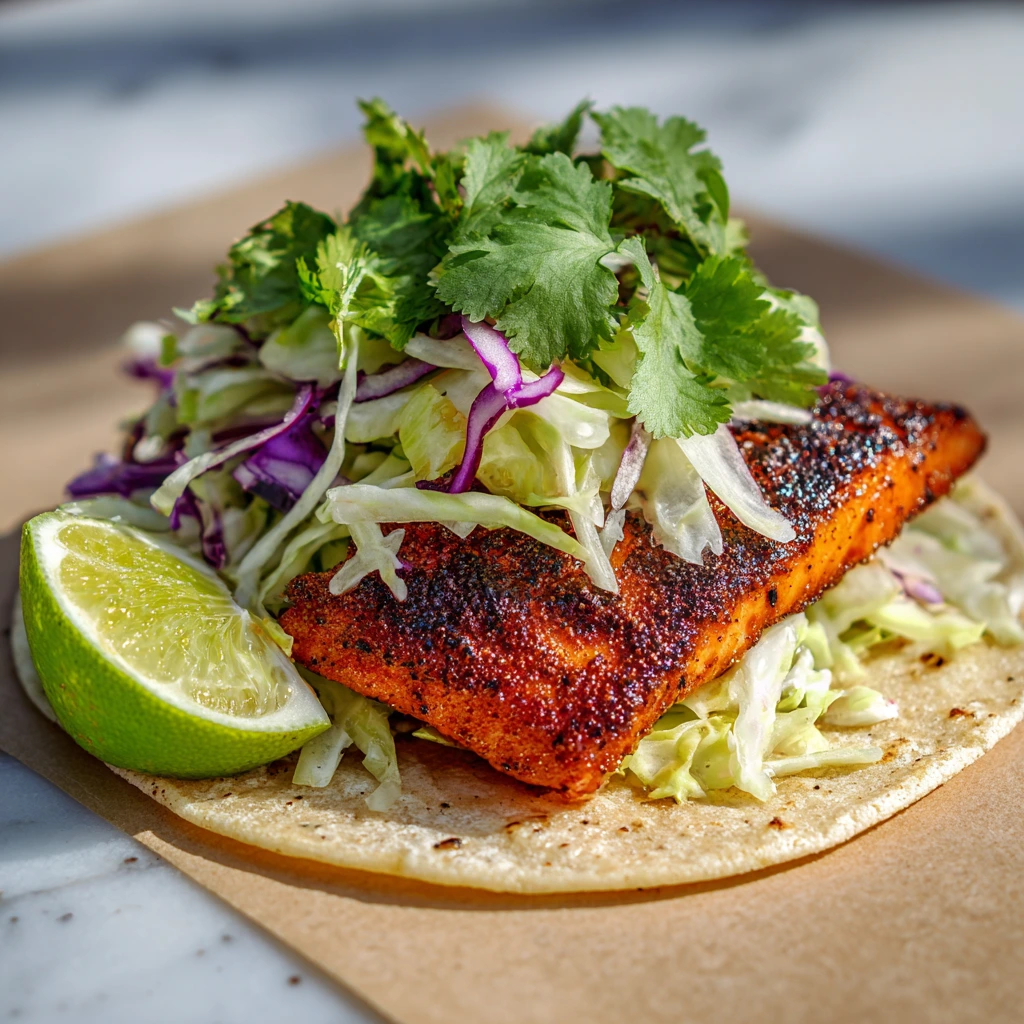
If you have leftover crispy skin salmon, turn it into something new the next day. To make salmon bowl, add warm rice or grains to a bowl, top with flaked salmon, some raw or cooked vegetables, and a simple dressing or leftover sauce thinned with a bit of water or lemon. For salads, keep the salmon cold and toss it with greens, chopped veggies, and a light vinaigrette. For tacos, warm small tortillas, add shredded cabbage or lettuce, then the salmon, and a squeeze of lime. The skin may not stay fully crisp once chilled, but the flavor from crispy skin salmon still gives all of these meals a boost. “If you want a full taco formula to follow, this easy salmon tacos recipe you can use as a base] works well with leftover crispy skin salmon too.”
How to Get the Best Crispy Skin Salmon Every Time at Home
Ingredients
Crispy Skin Salmon
- 2 skin-on salmon fillets (about 5–6 oz each, center-cut if possible)
- 1 tbsp high heat oil (avocado, canola, or grapeseed)
- 1/2 tsp kosher salt (plus a pinch more to taste)
- 1/4 tsp black pepper
- 1/4 tsp garlic powder (optional)
Finishing + Serving
- 1 tbsp butter (optional, for garlic butter finish)
- 1 lemon cut into wedges
- 1-2 tbsp chopped fresh herbs (dill, parsley, or chives)
- Cooked rice, potatoes, quinoa, or other grain (for serving)
- Roasted or steamed vegetables or salad (for serving)
Flavor Twist – Garlic Butter Crispy Skin Salmon (Optional)
- 1 extra tablespoon butter
- 1 small garlic clove, finely minced
Flavor Twist – Lemon Herb Crispy Skin Salmon (Optional)
- Extra fresh dill, parsley, or chives
- Extra lemon wedges or slices
Flavor Twist – Spicy Chili-Lime Crispy Skin Salmon (Optional)
- 1/2 tsp chili powder or smoked paprika
- 1 lemon cut into wedges
Instructions
Crispy Skin Salmon – Base Method
- Take the salmon out of the fridge 10–15 minutes before cooking so it is not ice cold. Check for pin bones and pull any you feel.
- Place the salmon on a plate or board with the skin facing up. Pat the skin very dry with paper towels until it looks dull, not shiny. Flip and lightly pat the flesh side too.
- Season the skin with a light, even layer of salt. Turn the fillets over and season the flesh side with the rest of the salt, pepper, and garlic powder if you’re using it. Let the salmon sit like this while you heat the pan.
- Set a cast iron or heavy nonstick skillet over medium to medium-high heat. Let it heat for 2–3 minutes. Add the oil and tilt the pan so the bottom is covered in a thin film. The oil should move easily when you swirl it.
- Carefully place the salmon in the hot pan, skin side down. Start with the edge closest to you and lay it away from you so the oil doesn’t splash. As soon as the fillet is in, press gently along the top with a flat spatula for 20–30 seconds so the skin makes full contact with the pan.
- Let the salmon cook skin side down without moving it for about 5–7 minutes, depending on thickness. You want a steady sizzle. Watch the side of the fish: the color will slowly change from translucent to opaque as it cooks up from the bottom.
- When the salmon looks cooked about two-thirds to three-quarters of the way up the side and the skin feels firm, slide a spatula under and flip it onto the flesh side.
- Cook on the flesh side for about 1–3 minutes, just until the center is almost opaque but still very moist. If you use a thermometer, aim for about 120–130°F in the thickest part for a medium finish.
- If you want a richer taste with the base version, add the tablespoon of butter to the pan in the last minute. Let it melt and gently spoon the buttery juices around the salmon, keeping most of it off the skin so it stays crisp.
- Move the salmon to a plate or small rack, skin side up, so steam doesn’t soften the skin. Rest for 3–5 minutes.
- Sprinkle fresh herbs over the flesh side. Squeeze lemon over the salmon and serve with your choice of grain and vegetables. Keep any sauce under or beside the fish, not on top of the crispy skin.
Optional Garlic Butter Crispy Skin Salmon
- Follow the base crispy skin salmon method through the flip and finish steps.
- In the last minute of cooking, add 1 extra tablespoon of butter and the minced garlic to the pan.
- Let the garlic cook gently in the butter. Tilt the pan and spoon the garlic butter around the salmon or under it on the plate. Keep the top skin as dry as you can.
- Rest and serve with lemon and herbs.
Optional Lemon Herb Crispy Skin Salmon
- Before cooking, season the flesh side of the salmon with salt, pepper, and a small pinch of chopped herbs.
- Cook the salmon using the base crispy skin method.
- After resting, add more fresh herbs over the flesh side and finish with extra lemon juice and lemon wedges on the plate.
Optional Spicy Chili-Lime Crispy Skin Salmon
- Before cooking, sprinkle chili powder or smoked paprika plus salt over the flesh side.
- Cook the salmon with the same crispy skin method.
- Serve with lime wedges and squeeze lime over the salmon at the table.
Notes
- Always start with skin-on salmon for crispy skin. Center-cut pieces with even thickness work best.
- Dry skin, hot pan, and a thin layer of oil are the three keys to stopping sticking.
- If the skin resists when you try to slide a spatula under, let it cook a little longer and try again from a different angle.
- Leftovers can be flaked into rice bowls, salads, or tacos with cabbage and lime.
-
Approximate Nutrition (per serving):
- Calories: ~440 kcal
- Protein: ~35 g
-
Total Fat: ~32 g
- Saturated Fat: ~7 g
- Cholesterol: ~115 mg
- Sodium: ~300 mg (from the added salt)