

You want breakfast that actually fills you up and doesn’t take forever. This steak & eggs skillet does exactly that. Heat a cast-iron pan, sear a ribeye hard so you get a real crust, rest it, then fry two or three eggs in the drippings. The yolks make their own sauce. One pan. Fast cleanup. Big flavor.
Use a steak about an inch thick so it sears outside and stays juicy inside. Pat it dry and salt it well. When the pan is hot, don’t move the meat for a few minutes. Flip once. Rest on a warm plate. Drop the heat and cook your eggs how you like them—sunny, basted, or over-easy. Spoon the beef fat over the eggs and the steak when you plate.
This one-pan steak and eggs method is simple and repeatable. You control heat, time, and doneness, so the results feel pro without being complicated. Perfect for weekdays. Great on weekends.
Steak & Eggs Skillet: Where It Came From and Why It Stuck
From Diner Classic to One-Pan Power Meal: Steak & Eggs Skillet
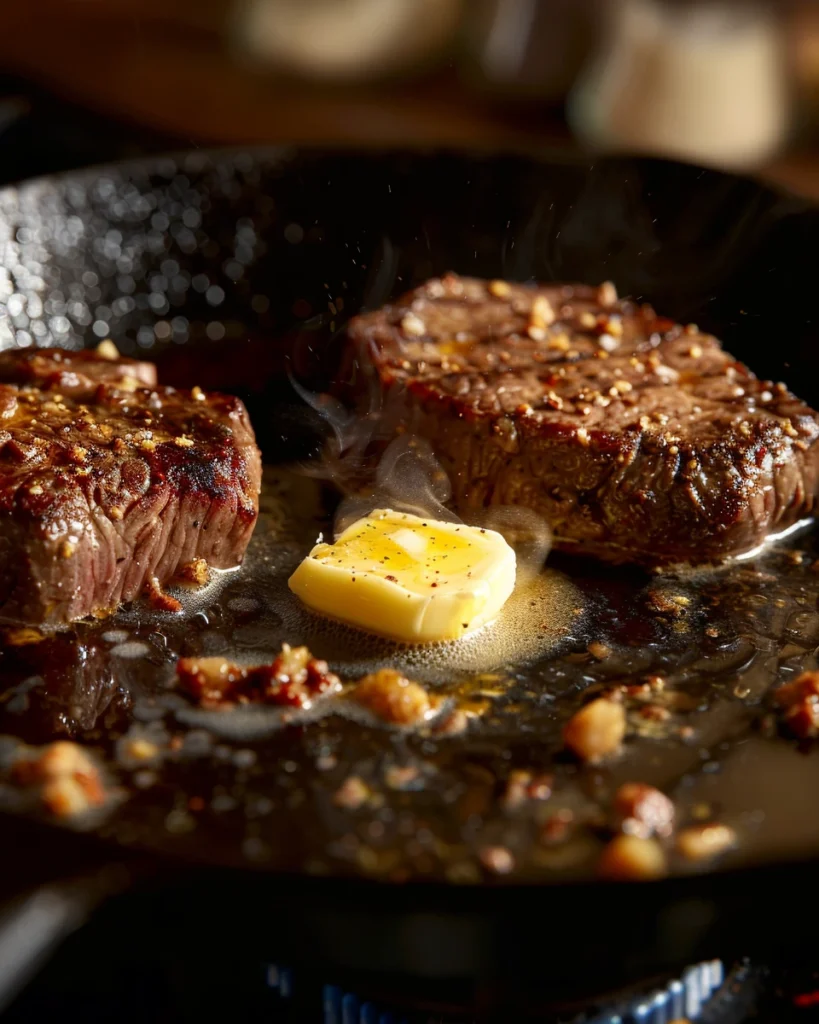
Steak and eggs didn’t show up by accident. Diners needed a plate that filled you up fast, and cooks needed something they could bang out on a flat-top without thinking. A hot sear on the steak, a couple eggs right after, plate and go. Athletes picked it up for the protein and the staying power. Today, the same idea works at home in a single skillet. Heat the pan well, sear the steak, rest it, then slide in the eggs. You get speed, almost no dishes, and that big flavor you only get from pan drippings.
Why a Steak & Eggs Skillet Fits Busy Mornings
You’re working with three moves: preheat, sear, fry. A ribeye or sirloin takes a few minutes per side. While it rests, crack eggs into the same fat: no sauces, no sides to manage, just one pan. Salt does the heavy lifting. If you want a little more, baste the eggs with the hot fat and call it done. Breakfast in ten, maybe twelve minutes, tops.
Crusty Steak, Yolk Sauce, and Pan Drippings
A dry steak plus high heat gives you a crust. That crust mixes with butter or tallow and leaves browned bits behind—the good stuff. Fry the eggs right in it so the edges go lacy. When you slice the steak, drag it through the yolk and the drippings. That’s your sauce. It’s salty, rich, and you didn’t make another pan dirty. This is the whole promise of a steak & eggs skillet: quick, powerful, big flavor.
Why This Method Works (Sear, Rest, Drippings): Steak & Eggs Skillet
You’re chasing three simple wins here. First, a hot pan gives you a Maillard crust on the steak—real browning, real flavor. Then you rest the meat so juices settle and slices stay juicy. Last, you fry the eggs right in the beef tallow or butter, where the browned bits live. That’s how a steak & eggs skillet tastes bigger than the ingredients. It’s sear, rest, drippings—fast moves, big payoff.
High Heat and a Short Rest
Dry the steak and get the pan hot before it touches metal. You want steady sizzle, not a weak hiss. Sear 3–4 minutes per side for a 1-inch ribeye or sirloin. Don’t poke it around. Let the crust build. Pull it when the center hits your target: 125°F for rare, 130–135°F for medium-rare, 140–145°F for medium. Rest 5 minutes on a warm plate. The juices redistribute, so each slice stays moist instead of bleeding out.
Eggs in Drippings + Clear Control Points
Keep the fat in the pan. That’s flavor. Add a spoon of tallow or butter if the surface looks dry. Drop heat to medium and crack in the eggs. They pick up the savory drippings and a little color on the edges. Now focus on control: heat, time, temp. If the pan smokes hard, lower the burner. If whites set too slowly, nudge heat up. Use a quick thermometer on the steak. Slide the eggs off when the whites are set and the yolks are how you like them. That’s it—clean, repeatable, and it tastes like more work than it is.
Ingredients
Core Ingredients & Why They Matter: Steak & Eggs Skillet
This is a short list on purpose. A good steak, a couple of eggs, and the right fat make a steak & eggs skillet taste big without extra parts. You get marbling for flavor, yolks for a built-in sauce, and hot fat for that crust. Salt does the rest.
Steak and Fat for the Sear
Pick a ribeye or New York strip about 10–14 ounces and roughly 1 inch thick. The marbling melts as it sears and gives you a juicy bite. Pat it dry and salt both sides. Use beef tallow for the highest smoke point and a beefy taste. Butter or ghee works if that is what you have. Heat the pan until it gives a steady sizzle when the steak lands. That is your signal, you will get a real crust on this steak & eggs skillet.
Eggs and Simple Seasoning
Plan on two or three large eggs. Cook them sunny, basted, or over-easy right in the drippings so they pick up savory flavor and lacy edges. Keep the seasoning simple. Kosher salt all the way. Add black pepper if you use it at home. The goal is a clean, repeatable flavor that lets the steak carry the dish while the yolks act like sauce. That is why these core ingredients matter for a steak & eggs skillet you can make any morning.
Smart Swaps & Add-Ons: Steak & Eggs Skillet
Keep the method the same and tweak the parts. You can switch the cut, change the fat, or add a quick finisher at the end. The steak & eggs skillet still cooks fast, makes one pan dirty, and tastes big.
Steak Swaps and Cooking Time
Sirloin works when you want leaner and a firm bite; sear about 2–3 minutes per side for a 1-inch piece and rest well. Flat iron brings great marbling and stays tender—treat it like ribeye and watch the center temp. Filet cooks the fastest; use high heat, 2 minutes per side, then finish off-heat to your target doneness. Whatever you pick, aim for about 1 inch thick and pull at your number: 125°F rare, 130–135°F medium-rare, 140–145°F medium.
Nutrition references, Egg Nutrition
Fats and Finishers
Cook in beef tallow for a clean, beefy sear. Bacon fat adds smoky depth and seasons the eggs without extra steps. Duck fat gives crisp edges and a rich finish. At the end, baste with a knob of butter for gloss, then rest the steak and hit the slices with flaky salt. If you want more drippings for the eggs, tilt the pan and spoon the fat over the whites until the edges go lacy.
How To, Step by Step
Sear the Steak First: Steak & Eggs Skillet
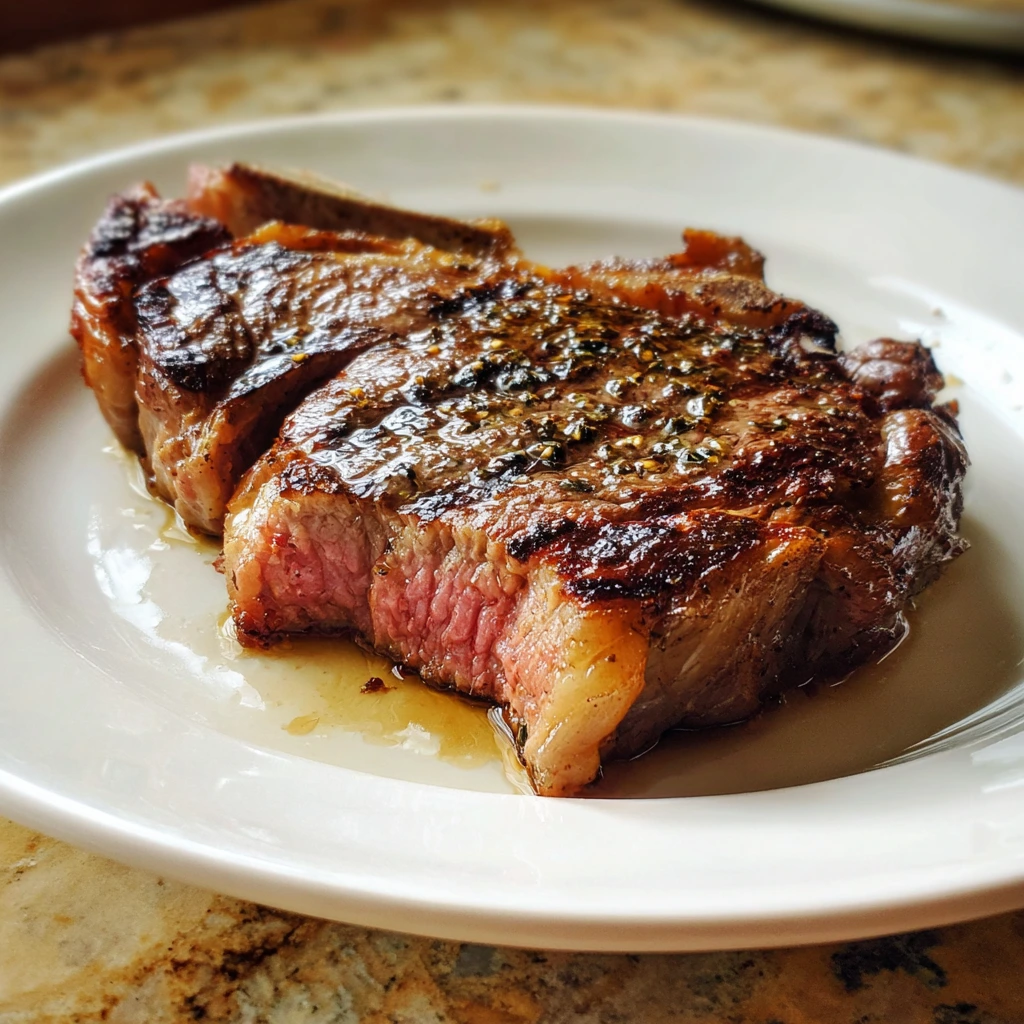
Start with the steak so the pan gets flavored for your eggs. Hot cast-iron, dry surface, plenty of salt. You want a deep crust and drippings you can use right away. Please keep it simple and watch the heat. Let the steak rest while you cook the eggs in the same fat—fast, one pan, big flavor.
Preheat, Season, Sear
Set a cast-iron skillet over medium-high and let it heat until a drop of water skitters. Add a spoon of beef tallow. Pat the steak very dry and salt both sides. Lay it down and leave it alone. Sear about 3–4 minutes on the first side until you see a good crust, then flip and go 2–4 minutes more. If the pan smokes hard, nudge the heat down; you want steady sizzle, not a smoke show.
Target Temps, Rest, Save the Drippings
Use an instant-read thermometer for control. Pull at 120–125°F for rare, 130–135°F for medium-rare, 140–145°F for medium. Move the steak to a warm plate and rest 5 minutes so the juices settle. Do not dump the skillet—those browned bits and fat are your flavor base. Keep the drippings in the pan, drop the heat to medium, and cook the eggs right in that fat so they pick up the savory crust notes.
Fry the Eggs in the Drippings: Steak & Eggs Skillet
Drop the heat to medium and keep every drop of flavor in the pan. Those drippings from the seared steak are your cooking fat and your sauce. Crack the eggs right into that hot fat. Let the edges go a little lacy. Baste if you like. You’re building a steak & eggs skillet that tastes bigger than the parts.
Heat, Crack, Control
If the surface looks dry, add a small spoon of tallow or a knob of butter. Crack the eggs into the skillet and give them a pinch of salt. Cook to your style—sunny-side up, basted, or over-easy—about 1 to 3 minutes. For basted, tilt the pan and spoon hot fat over the whites until they turn opaque; cover for 20 to 30 seconds if you want a light set on top. If the edges race ahead, nudge the heat down. If the whites lag, bump it up a touch. Aim for set whites and yolks just how you like them.
Slice, Plate, Spoon the Drippings
Slice the steak across the grain into thick strips. Plate the eggs first, then fan the steak alongside. Spoon the warm drippings and any browned bits over everything, hitting the steak and the yolks. Add a pinch of flaky salt if you have it. That’s your finisher—no extra pan, no sauce to make, just big flavor from the same skillet.
Tips, Variations, Serving
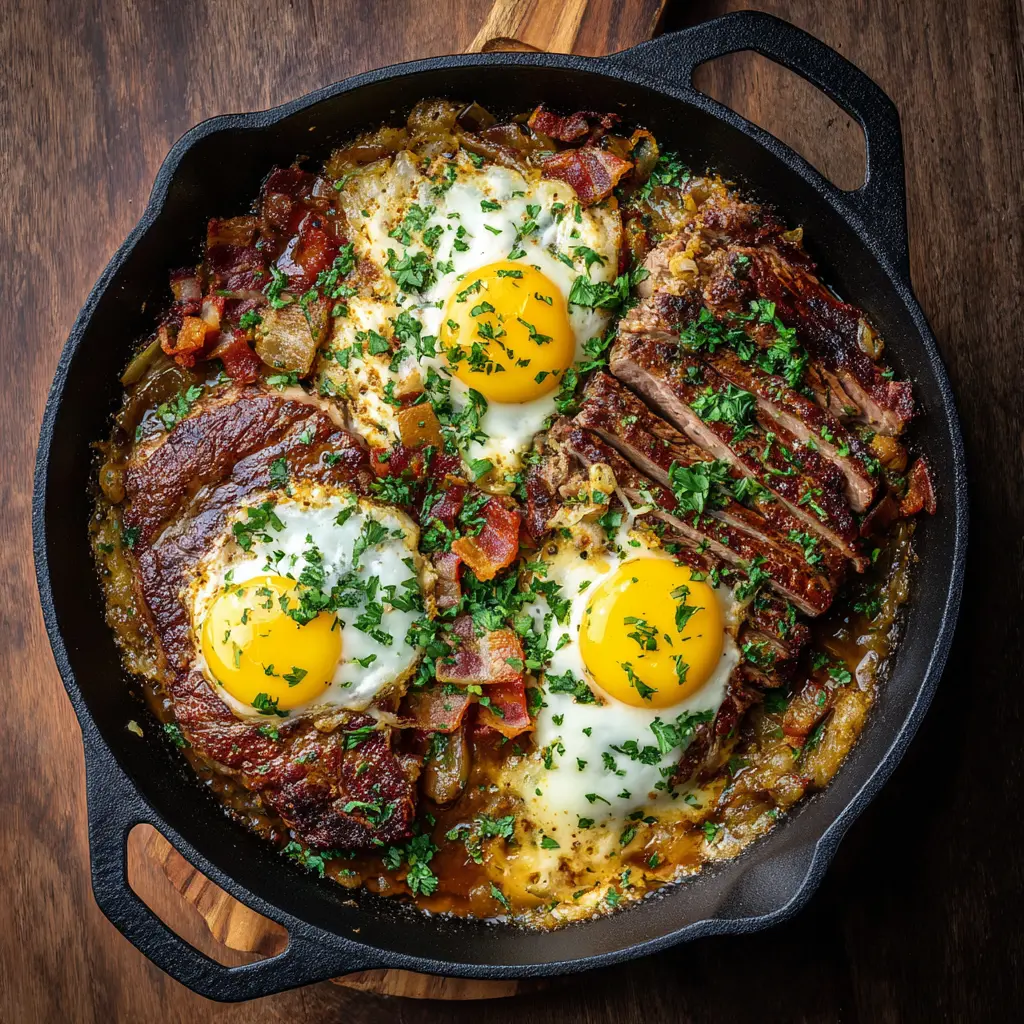
Pro Tips & Troubleshooting: Steak & Eggs Skillet
Small habits make this steak & eggs skillet cleaner, faster, and better. Dry the steak well. Give the pan room. Watch the heat so you get a deep crust without smoke. Cook the eggs in the drippings, but keep control so they don’t turn rubbery. Simple stuff, but it adds up.
Get the Sear, Not the Smoke
Pat the steak very dry, then salt it. Moisture kills browning, so blot both sides with paper towels first. Preheat the cast iron until a drop of water skitters. Add tallow. Lay the steak down and leave it alone so the crust can form. If smoke spikes, drop the heat a notch and keep a steady sizzle. Pale crust means the pan wasn’t hot enough or the steak went in wet. Next time, preheat longer and dry the surface better. Don’t crowd the pan; one steak at a time gives you better browning.
Egg Texture, Timing, and Heat Control
Lower the heat to medium before the eggs. Crack them right into the drippings. If edges race and the whites bubble hard, the heat is too high. Slide the pan off for a few seconds or lower the burner. Rubberier eggs mean they were cooked too long or too hot. Pull sooner for softer whites and runny yolks. Baste with the hot fat to set the tops without overcooking. Plate the eggs, slice the steak across the grain, and spoon drippings over everything.
Variations & Ways to Serve: Steak & Eggs Skillet
Keep the same pan and the same rhythm. Change the finish, change the plate. A quick butter baste, a fast garlic swipe, or just more protein if you need it. The steak & eggs skillet stays fast, stays one-pan, and still gives you big flavor.
Butter Baste and Garlic Swipe
Right before you pull the steak, drop in a knob of butter. Tilt the pan and spoon the foaming butter over the crust for 20 to 30 seconds. It adds sheen and a nutty note. Move the steak to a warm plate and rest. If you’re into garlic, cut a clove in half and rub the cut side over the crust once or twice while the steak rests. It’s a quick swipe, not a rub-down. You want a whisper, not garlic bread.
Simple Plates and Extra-Protein Options
Classic plate: slice the steak across the grain, add two eggs cooked in the drippings, spoon the fat and browned bits over both, and hit with a pinch of flaky salt. That’s the baseline. Need more? Add a third egg, or split one larger steak and cook a quick second small one if you’re sharing. Keep the same method. Sear, rest, fry the eggs, plate, and pour the drippings so the yolks act like sauce.
Conclusion: Steak & Eggs Skillet You Can Repeat
Fire up the pan, salt the steak, and go. That’s the whole idea. Sear for a real crust, rest it so the slices stay juicy, then fry your eggs in the same drippings. You control three things—heat, time, and internal temp—and the steak & eggs skillet turns out the same way tomorrow as it does today.
If you want it faster, choose a 1-inch cut and keep the pan hot but steady. Pull the steak at your number, let it sit five minutes, and slide the eggs in. Sunny, basted, or over-easy. The drippings make the edges lacy, and the yolks work like sauce. Finish with a small butter baste or a pinch of flaky salt if you like that extra gloss.
Now make a plate. Two eggs, thick steak slices, and spoon the drippings over everything. Eat it hot. Then tell me how it went. What cut did you use? Did you try tallow or butter? Did the crust hit right? Drop your notes and questions in the comments so I can help you dial in your steak & eggs skillet next time.
Ultimate Steak & Eggs Skillet: Simple Steps, Big Flavor.

Equipment
- Cast-iron or heavy skillet
- tongs, spatula
- instant-read thermometer
- paper towels
- warm plate
Ingredients
- 1 ribeye or strip steak (10–14 oz, ~1 inch thick)
- 3 eggs 2–3 large eggs
- 1 tbsp beef tallow (or butter/ghee)
- 1 tbsp kosher salt (to taste)
- Optional: black pepper, flaky salt, 1 tablespoon butter for basting
Instructions
- Preheat & fat: Set a cast-iron skillet over medium-high until a drop of water skitters. Add the tallow.
- Prep steak: Pat the steak very dry with paper towels. Salt both sides.
- Sear side one: Lay the steak in the hot fat. Don’t move it. Sear 3–4 minutes until a deep crust forms.
- Flip & finish: Turn the steak; sear 2–4 minutes more. (Optional baste: add a knob of butter and spoon over the crust for 20–30 seconds.)
- Check temp: Target 120–125°F rare, 130–135°F medium-rare, 140–145°F medium. Move the steak to a warm plate and rest 5 minutes.
- Fry eggs in drippings: Lower heat to medium. Keep the fat and browned bits in the pan; add a little more tallow if dry. Crack in 2–3 eggs. Salt lightly. Cook to your style—sunny, basted, or over-easy—about 1–3 minutes. (Baste by spooning hot fat over whites to set the tops.)
- Slice & plate: Slice steak across the grain. Plate eggs first, fan the steak alongside, and spoon warm drippings over everything. Finish with flaky salt if you like.
Notes
– If smoke spikes, lower heat slightly; aim for steady sizzle.
– Pale crust means the pan wasn’t hot or the steak went in wet—preheat longer and dry better next time.
– Steak swaps: sirloin, flat iron, or filet (adjust time; still pull at your target temp).
– Fats: bacon fat or duck fat work; tallow gives the cleanest beefy flavor.
– Egg tips: for lacy edges, keep a bit more fat in the pan; for softer tops, cover 20–30 seconds. Storage
Best fresh. If needed, refrigerate steak and eggs within 2 hours. Eat within 1–2 days. Rewarm steak low and slow (250°F/120°C); fry fresh eggs. Estimated Nutrition (per 1-serving plate; varies by cut)
650–800 kcal; 50–60 g protein; 48–58 g fat; 0–2 g carbs; 1–2 g fiber; 900 mg sodium (with 1 tsp salt). Estimates only.