


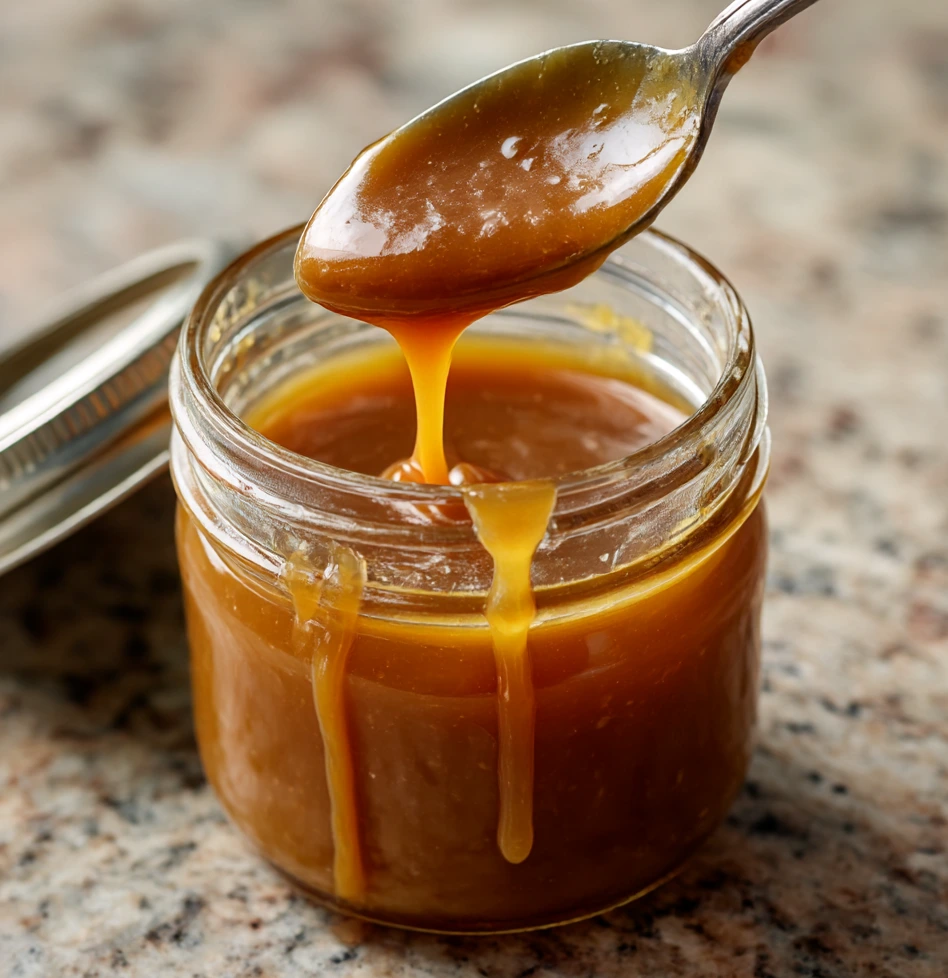
Caramel is very simple and easy to make. You’re just melting sugar, letting it turn the right shade of amber, then adding cream and butter so it can turn it into a smooth sauce. The only challenge you face is that the color changes fast near the end, so you need to keep an eye on it as it cooks. You get real homemade caramel sauce that tastes better than store-bought, and you can use it on ice cream, brownies, cheesecake, apples, or even coffee.
What “No-Fail” Means Here
“No-fail” doesn’t mean nothing can ever go wrong. It means the method gives you a bigger comfort zone, and if something weird happens, you’ll know exactly what to do next.
Caramel is also extremely hot and sticky. Use a deeper pot than you think you need, and keep your face and hands back when you add the cream.
Quick success checklist
Warm the cream, cut the butter, and keep everything within arm’s reach before you turn on the heat.
Ingredients for a Smooth Caramel Sauce
This recipe uses the wet method (sugar + water first). It’s slower than dry caramel, but much easier to control—especially if you’re making caramel for the first time.
You’ll also warm the cream. Cold cream is the most common reason caramel seizes into hard clumps, and warming it makes the whole process calmer.
Tools That Make It Easier
If you can use thick-bottom saucepan. Thin pans create hot spots, which can push sugar into “too dark” around the edges while the center still looks fine.
You’ll also want a whisk, a heatproof spatula, and a measuring cup with a spout for the cream. A damp pastry brush is helpful if you see sugar crystals forming on the sides of the pot.
Wet vs. Dry Caramel (Which to Choose)
If you go with dry caramel, the sugar melts directly in the pot. It can be fast, but sometimes could burn quickly if the stove runs hot or if you are not watching it. Wet caramel starts with sugar and water, then boils until it turns amber. It’s steadier, and that’s why it’s the better choice for a no-fail sauce.
Step-by-Step: No-Fail Caramel Sauce

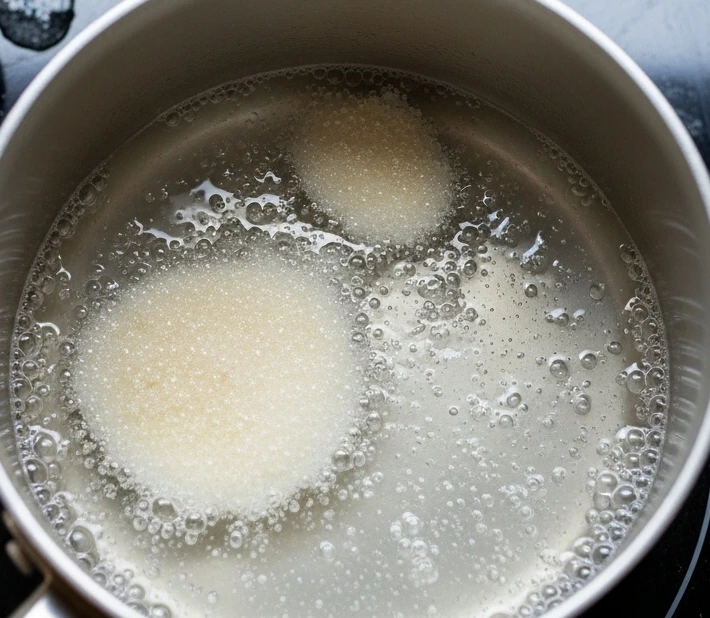
What you need is to set up first. Measure and warm the cream, cut the butter, and keep vanilla and salt right next to the stove. Once the caramel turns golden, the timing speeds up.
- Combine sugar and water.
- Add sugar and water to your saucepan. Stir briefly until the sugar looks evenly wet, then stop stirring.
- Boil without stirring.
- Bring it to a steady boil over medium heat. Watch until it boils, don’t stir. You can gently swirl the pan if needed. If you see sugar crystals on the sides, brush them down with a damp pastry brush.
- Watch the color shift.
- The syrup starts clear, then turns pale straw, then golden, then amber. The last stage happens quickly, so stay close once it’s golden.
- Pull it at medium amber.
- Remove from heat when it looks like warm honey moving toward copper. If you’re unsure, pull it slightly early—carryover heat continues cooking the caramel in the hot pot.
- Slowly add warm cream while whisking.
- Pour in a slow stream while whisking. It will bubble up aggressively for a few seconds. That’s normal.
- Add butter, then finish.
- Whisk in butter a few pieces at a time until glossy and smooth. Stir in salt and vanilla off heat.
- Cool and store.
- Let it cool 10–15 minutes, then pour into a jar. It thickens as it cools and thickens more in the fridge.
If it seizes, don’t panic.
Put the pot back on low heat and whisk gently. The clumps will melt back into a smooth sauce.
Tested Notes (what to expect in a real kitchen)
The Syrup can darken fast when it become gold. That is why you need to keep your eye on it. Check the color with a spoon, as caramel looks darker in the pot than it does on the spoon, so I like to check a small drip on a light spatula to avoid overshooting. Once I add the cream, it bubbles hard for a few seconds and then settles. I use a deeper pot and pour slowly because the cream is hot. I let the sauce cool down for 10 to 15 minutes before sealing the jar.
Consistency Guide (Thin, Drizzly, or Thick)
Caramel thickens as it cools, so judge consistency closer to room temperature, not when it’s piping hot.
If it’s too thick after chilling, warm it gently and stir. If you want it looser, add warm cream 1 tablespoon at a time and stir until it relaxes.
If it seems too thin, let it cool completely first. If it’s still thin after cooling, simmer the finished sauce on very low heat for 30–60 seconds, then cool again. Small adjustments work best.
Caramel Color Guide (The Part That Prevents Burnt Caramel)

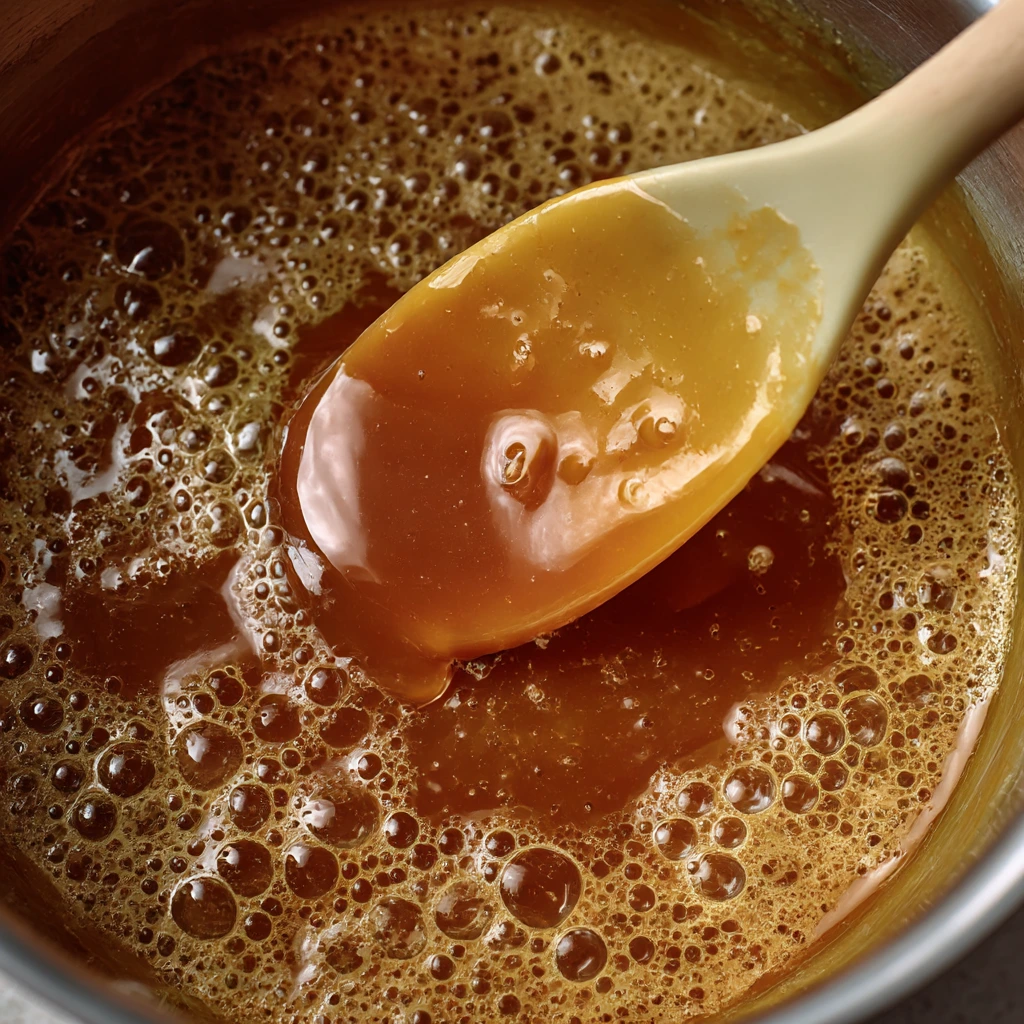
Most burnt caramel happens because people wait for it to look “really caramel.” For a sauce you’ll love on everything, medium amber is the safest and most balanced.
Stage 1: Light Gold (Sweet and Mild)
This is the earliest caramel flavor. It tastes sweet and light, and it’s the least risky. If you’re nervous, this is a comfortable target.
Stage 2: Medium Amber (Classic Caramel Sauce)
This is the no-fail. It is rich and toasty without bitterness. If you want caramel sauce that works for drizzling, dipping, and baking, stop here.
Stage 3: Deep Amber (Bold, Closer to Bitter)
This stage is not easy, but the the carmel can taste amazing, but it has a smaller margin for error. If you’re new to caramel, save this for later.
Troubleshooting
Most caramel problems look dramatic, but most are fixable. The best fix is usually low heat + patience, not high heat at all.
Grainy or Crystallized Caramel
Watch the sugar as it could turn into tiny crystals that can spread. This usually happens if you stir after it starts boiling, or if dry sugar sticks to the sides and falls back in later.
Fix: Pour in a small splash of water, then warm it back up on low until the texture turns smooth again.
Prevention: Once it’s boiling, leave it alone. If you see sugar on the inside walls of the pot, wipe it down with a damp pastry brush early in the cook.
Here is what you can do only if this keeps happening to you: Add a small pinch of cream of tartar at the start, about 1/8 teaspoon. Most batches don’t need it, but it can help keep the sugar from turning grainy.
Seized Caramel After Adding Cream

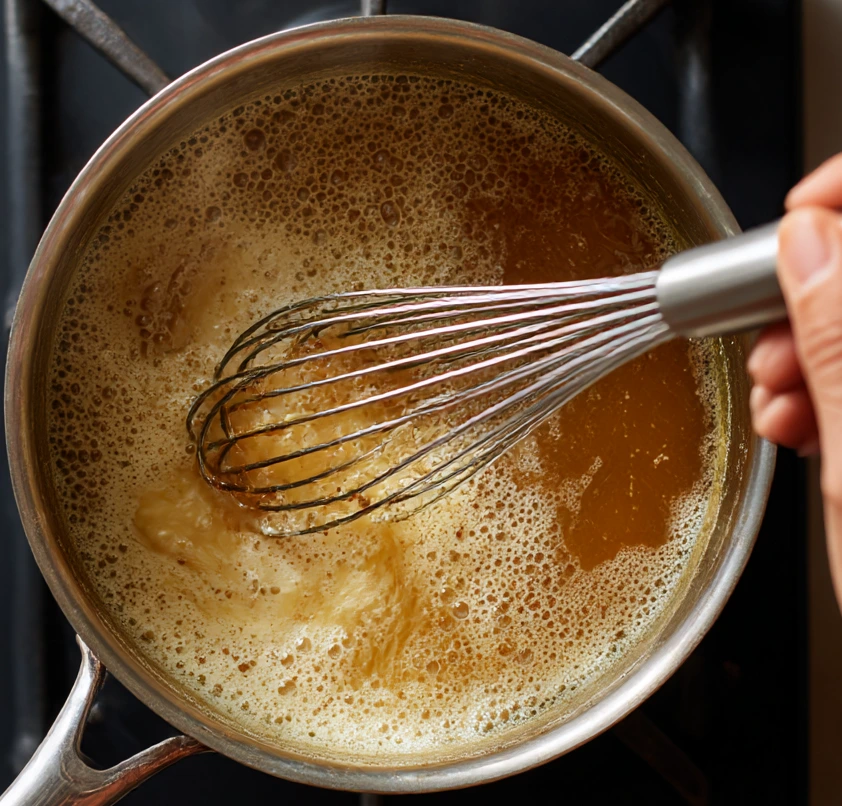
Seizing looks like hard clumps right after you add cream. It’s a temperature shock.
Fix: Return the pot to low heat and whisk until smooth.
Prevention: Warm the cream so it isn’t fridge-cold.
Separated or Oily Caramel
You could see the caramel sauce start separating. It usually looks shiny and greasy, with fat on the surface. It often comes from too much heat during the butter step, or from letting the sauce bubble too hard once the dairy is in.
Fix: Drop the heat and whisk gently. Stir in 1–2 tablespoons of warm cream to help it re-emulsify. If it’s fighting you, let it cool a bit, then whisk again once the bubbling calms down.
Too Thin or Too Thick
Too thin: Cool fully first. If it’s still thin, simmer gently for 30–60 seconds and cool again.
Too thick: Warm slowly, then add warm cream 1 tablespoon at a time until it’s the texture you want.
Flavor Variations
if you would like to add flavor, please keep add-ins small and add them when heat is low.
For salted caramel, add a little more salt at the end, tasting as you go. For bourbon caramel, stir in a small splash off heat. For espresso caramel, whisk in a pinch of instant espresso powder. For cinnamon caramel, add a small pinch at the end.
Storage and Reheating
If you want to add flavor, please keep add-ins small and add them when the heat is low.
For salted caramel, add a little more salt at the end, tasting as you go. For bourbon caramel, stir in a small splash off heat. For espresso caramel, whisk in a pinch of instant espresso powder. For cinnamon caramel, add a small pinch at the end.
Ways to Use Homemade Caramel Sauce
Drizzle it over brownies, spoon it onto cheesecake, or pour it on apple crisp. It’s also great stirred into coffee or hot chocolate, warmed and spooned over pancakes, or used as a quick dip for apple slices and pretzels. (Link those bold items to your related recipes.)
FAQ
Do I need a thermometer?
No. Color and smell cues are enough for this method.
Can I double the recipe?
Yes, but use a larger pot and expect the timing to change. The last minute still moves fast, so stay close.
Why did it turn solid in the jar?
Because it’s cold, warm it gently and stir. Add a splash of warm cream if you want it looser.
Can I use brown sugar instead?
You can, but it becomes a butterscotch-style sauce. Different flavor, still delicious.
Can I make it ahead?
Yes. This is a great make-ahead sauce. Rewarm gently when you need it.

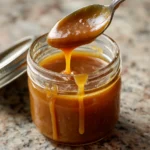
Caramel Recipe: Ultimate No-Fail Sauce You’ll Love
Equipment
- 1 Heavy-bottom saucepan (medium, deep-sided)
- 1 whisk
- 1 Heatproof spatula
- 1 Measuring cup with a spout
- 1 Jar or heat-safe container for storage
- 1 pastry brush (for brushing down sugar crystals)
- 1 candy thermometer
Ingredients
- 1 cup granulated sugar
- 1/4 cup water
- 3/4 cup heavy cream, warmed (not boiling)
- 4 tbsp unsalted butter, cut into pieces
- 1/2 tsp fine salt (plus more to taste, if you want it saltier)
- 1/2 tsp vanilla extract
Optional (only if you often get crystals)
- 1/8 tsp cream of tartar
Instructions
- Prep your station: Warm the heavy cream until it’s no longer fridge-cold (do not boil). Set it next to the stove with the butter pieces, salt, vanilla, whisk, and jar ready.
- Start the syrup: Add the sugar and water to a heavy-bottom saucepan. Stir briefly until the sugar looks evenly wet, then stop stirring. If using cream of tartar, add it now.
- Boil without stirring: Bring the mixture to a steady boil over medium heat. Once it boils, do not stir. You may gently swirl the pan if needed. If you see sugar crystals on the sides of the pot, brush them down with a damp pastry brush.
- Cook to medium amber: Continue boiling until the color turns medium amber (warm honey moving toward copper). Remove from heat right away.
- Add warm cream slowly: While whisking, slowly pour in the warmed cream. The caramel will bubble up vigorously for a few seconds. Keep whisking until it calms and looks smooth.
- Finish with butter, salt, and vanilla: Whisk in the butter a few pieces at a time until glossy and fully combined. Stir in the salt and vanilla off heat.
- Cool and store: Let the caramel cool in the pot for 10–15 minutes, then pour into a jar. Cool completely before sealing and refrigerating.
Notes
If it seizes (hard clumps): Return the pan to low heat and whisk gently until smooth; the clumps will melt back in.
If it turns grainy: Add a small splash of water and warm gently until smooth again. Next time, avoid stirring once it boils and brush down the sides early if you see crystals.
If it separates (oily layer): Lower the heat and whisk gently. Add 1–2 tablespoons of warm cream and whisk slowly until it comes back together.
Consistency: Caramel thickens as it cools. For a thinner drizzle, warm gently. For a thicker sauce, cool fully (it will thicken more in the fridge). If it’s too thick after chilling, add warm cream 1 tablespoon at a time while warming. Based on your ingredient list, the whole batch is about 1,782 calories total. (about 12 servings, where 1 serving = 2 tablespoons):
- Per 2 Tbsp serving: about 149 calories
- Per 1 Tbsp: about 74 calories